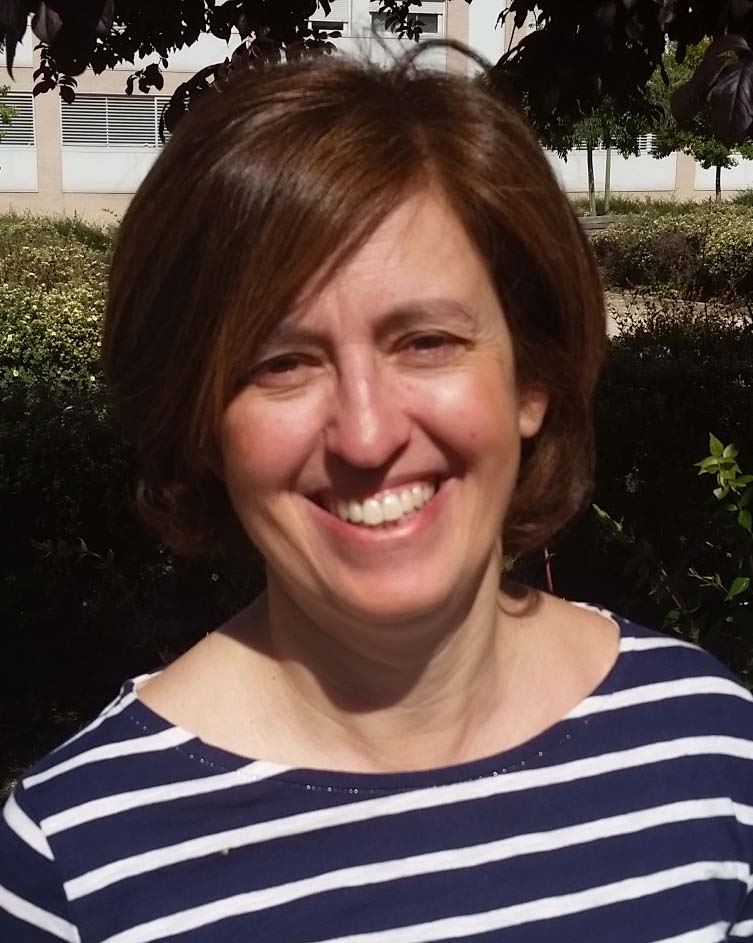
Remdesivir (GS-5734), a broad-spectrum antiviral agent
Richard Mackmanis Vice-president of Medicinal Chemistry at Gilead Sciences, where he has spent 18 years developing novel antiviral therapies. He earned a BA in Natural Science and a PhD in the synthesis of natural products from Cambridge University. Following a postdoctoral fellowship at the University of California San Francisco, he began his industrial career in oncology, designing serine protease inhibitors. In 2001 he joined Gilead Sciences, where he has led projects and chemistry teams aimed at developing novel therapeutics against HIV, HCV, RSV, HBV, and emerging viruses such as Ebola and dengue. These programs have resulted in multiple clinical candidates, including GS-9131, a novel nucleoside phosphonate for the treatment of HIV infection; GS-9688, a selective toll-like receptor 8 agonist for the treatment of chronic hepatitis B; the respiratory syncytial virus fusion inhibitor presatovir; and remdesivir, an RNA polymerase inhibitor for the treatment of Ebola virus disease. He has published extensively in the area of nucleoside/nucleotide-based antiviral therapeutics and is named as a co-inventor on more than 40 patents. He has recently been honored by election as a Fellow of the Royal Society of Chemistry.
Gertrude Elion Memorial Award
The challenge of developing antivirals to treat eradicated disease
David Evans is a biochemist with special interests in poxvirus recombination, antiviral drugs and genomics. He obtained his Ph.D. in 1982, performed postdoctoral studies at Berkeley and Harvard, joined the University of Guelph in 1987, then returned to the University of Alberta in 2003. He has demonstrated a longstanding commitment to research translation; the recombineering technology he devised in the late 1990’s is still sold commercially as Clontech’s popular InFusion® kits. More recently, his research has focused on developing oncolytic poxviruses for the treatment of bladder cancer, as well as developing applications for poxviruses assembled using gene synthesis technology. He was a long-standing member of the WHO smallpox advisory committee, and his expertise in biosafety and biosecurity has involved him in conducting international site visits for the WHO and FAO/OIE. He recently completed a term of service on the Canadian advisory committee on human pathogens and toxins. He is a Fellow of the Canadian Academy of Health Sciences and serves as Scientific Officer for the CIHR’s Virology & Viral Pathogenesis grant review committee.
William Prusoff Young Investigator Award
Developing antivirals against dengue
Marnix Van Loockis Scientific Director within the Infectious Diseases & Vaccines Discovery team of Janssen Pharmaceutica NV (Johnson & Johnson) in Beerse, Belgium). He has a leading role in flavivirus drug discovery within IDV Discovery, Global Public Health R&D. As dengue early compound development team leader, he steers the clinical development of a first-in-class small molecule for the prevention and/or treatment of dengue, tackling a major unmet medical need. He received his Ph.D. from the University of Leuven, Belgium, and also holds M.Sc. degrees in Industrial Sciences (Biochemistry) and Applied Biological Sciences. He joined the HIV entry discovery team of Tibotec BVBA (currently Janssen Pharmaceutica NV) in 2004, and subsequently joined the HIV integrase team, coordinating cell-based assay development. Beginning in 2009, he was the biology lead for the cytomegalovirus latency project, and in 2012 he became the biology lead for the dengue project within Infectious Diseases & Vaccines, reflecting roles with increasing responsibility throughout his career.
Women in Science Speaker Award
Function, activation and control of innate immune networks to HSV infection
Grace Zhou is the director of the Shenzhen International Institute for Biomedical Research (SIIBR) and CEO of ImmunoVir Co., Ltd. She obtained a Ph.D. in biochemistry from the Shanghai Institute of Biochemistry, Chinese Academy of Sciencesin 1998, then began a postdoctoral fellowship at the University of Chicago, where she remained through 2013, studying gene regulation during HSV-1 lytic and latent infection and the potential use of oncolytic herpesviruses for cancer treatment. In 2013, she joined Guangzhou Medical University as a professor, and was one of the founding scientists of the SIIBR in 2015. Her current research focuses oncontrol of innate immune responses in herpesvirus-infected cells, the molecular basis of latent infection and genetic engineering of antiviral and therapeutic exosomes. In addition to basic research, she is co-founder and CEO of Immvira, which is developing a broad range of anti-cancer therapies, based on genetically engineered viruses augmented by cancer-specific immune factors or chemotherapeutic agents, that can be delivered either intra-tumorally or systemically.
New antivirals for chronic hepatitis B
Timothy Block is President and Co-founder of the Hepatitis B Foundation; of its research arm, the Baruch S. Blumberg Institute; and of the Pennsylvania Biotechnology Center. With Barry Blumberg and Raymond Dwek, he began pursuit of antivirals against hepatitis B virus, targeting the HBs antigen in the 1990s, which helped to determine the role of glycan processing in HBs protein folding. More recently, he and colleagues identified small-molecule inhibitors of HBV, some of which are now in clinical-phase human testing by Arbutus Biopharma. He is the scientific co-founder of several life sciences companies, co-inventor on 20 issued patents and 23 applications, and co-author of more than 240 scholarly papers and was elected to the US National Academy of Inventors (2018). In 2017 he was named a “Visionary in Hepatitis” by the World Hepatitis Alliance in 2017.
In search of novel antivirals using structure-based drug design approaches
Andrea Brancale is a professor of medicinal chemistry at Cardiff University. He undertook his PhD and postdoctoral work in synthetic medicinal chemistry under Professor Chris McGuigan, focusing on the design and synthesis of novel nucleosides and nucleotides analogues as antiviral drugs. With his appointment as lecturer in the WSP he strategically directed his research interests to focus on the use of computer-aided techniques to design and discover novel anti-viral and anti-cancer compounds. He was promoted to Professor in 2017, and he continues to establish his reputation as an internationally recognised drug design expert in the antiviral and anticancer field. He is author of more than 130 peer-reviewed papers and actively collaborates with several academic groups in the UK and the rest of the world. He is a member of the ISAR Board of Directors, has been chair of the ISAR website committee since 2008 and he is a member of the membership and program committees. He received the William Prusoff Young Investigator Award in 2013. He is the Editor-in-Chief of Antiviral Chemistry and Chemotherapy.
Therapeutic strategies to combat cytomegalovirus infection
Rhonda Cardin has extensive experience in viral pathogenesis, immunology, and antiviral drug evaluation in small animal models of herpesvirus disease, and is an expert on cytomegalovirus. Her research efforts are aimed at characterizing host and viral genes required for CMV pathogenesis and latency. After receiving her A.B from Washington University in St. Louis and her PhD in microbiology from Louisiana State University, she began her career in cytomegalovirus research as a postdoc in Ed Mocarski’s laboratory at Stanford. In 1994, she moved to Memphis, TN to join the laboratory of Peter Doherty at St. Jude Children’s Research Hospital, studying murine gammaherpesvirus pathogenesis and immunology, as a model for the human gammaherpesviruses, EBV and KSHV. After working for several years for Parke-Davis and Pfizer, she returned to academia in 2003 and joined the faculty of the Cincinnati Children’s Hospital Medical Center. In 2016, she moved to the LSU School of Veterinary Medicine in Baton Rouge, where she continues her CMV research and is Associate Dean for Research and Advanced Studies. She is a co-PI on a NIH contract for evaluating novel antivirals and vaccines in CMV and HSV animal models.
Effects of Broadly Neutralizing Antibody Combinations in HIV-1 Infection
Marina Caskey received her medical degree from the Federal University of Sergipe, Brazil in 1998, and following ID specialty training at Weill Cornell Medical Center in New York, she joined the Clinical Scholars Program at the Rockefeller University in 2006. Working in Dr. Ralph Steinman’s Laboratory, she characterized the immune response induced by an HIV vaccine which targets HIV antigens directly to dendritic cells. Her current work focuses on the development and clinical evaluation of novel immunotherapeutic strategies against infectious diseases, with a special emphasis on HIV-1. Over the last 5 years, she has led a series of first-in-humans studies with two of the most promising broadly neutralizing anti-HIV-1 antibodies, 3BNC117 and 10-1074, which were isolated in the laboratory of Michel Nussenzweig. They are being developed for potential roles in HIV-1 prevention and therapy, and for their effects on the HIV-1 reservoir and on host immune responses, when given alone or in combination with latency-reversing agents or immune-modulatory molecules.
Polio eradication: need for antivirals and progress to date
Marc S. Collett received undergraduate, graduate, and postgraduate training in molecular biology and virology at the universities of Michigan, Minnesota, and Colorado and held faculty positions at the U of Minnesota. He has been a corporate officer in several biotech/pharma companies (Molecular Genetics, MedImmune, Pathogenesis, Acambis) and was a co-founder of ViroPharma and founder of ViroDefense, his current position. ViroDefense is assisting the Global Polio Eradication Initiative by developing antivirals against polioviruses. The effort is orchestrated by the Poliovirus Antiviral Initiative, a consortium managed by the Task Force for Global Health and comprised of the WHO, CDC, Rotary International, CBER/FDA, NIAID, the Bill & Melinda Gates Foundation and ViroDefense. The goal is to develop a treatment that eliminates poliovirus excretion by immunodeficient individuals chronically infected with vaccine-derived viruses (iVDPV), who pose a threat to eradication. Toward this end, ViroDefense now has two drug candidates in clinical trials.
Human retroviruses (HTLV-1 and HIV): Current therapy and prevention
Robert Gallo is the Homer & Martha Gudelsky Distinguished Professor of Medicine, Co-Founder & Director of the Institute of Human Virology at the University of Maryland School of Medicine and co-founder and scientific director of the Global Virus Network. He is most widely known as a co-discoverer of HIV as the cause of AIDS and developer of the first HIV blood test. His research aided colleagues in the development of HIV antiviral therapies, and his discovery that chemokines can block infection and halt the progression of AIDS has influenced thinking on how the virus works against the human immune system and led to use of chemokine antagonists or entry inhibitors in combination therapy. Prior to his work on HIV/AIDS, he was the first to identify human retroviruses and the only known leukemia-causing viruses, HTLV-1 and HTLV-2. In 1976, he and his colleagues discovered interleukin-2, a growth-regulating substance for T cells necessary to study human retroviruses. In 1986, he and his group discovered a new human herpesvirus, HHV-6, which causes roseola and is a strong suspect in the origin of some neurological diseases, including Alzheimer’s.
Howard Gendelman is the Margaret R. Larson Professor of Internal Medicine and Infectious Diseases and Chairman of the Department of Pharmacology and Experimental Neuroscience at the University of Nebraska Medical Center. He is credited with unraveling the pathways by which functional alterations in brain immunity induce metabolic changes and ultimately lead to neural cell damage in a broad range of infectious and neurodegenerative disorders, and for demonstrating that AIDS dementia is a reversible metabolic encephalopathy. These discoveries have led to pre-clinical and clinically realized therapeutics aimed at preventing, slowing or reversing a broad range maladies. He developed the Nebraska Nanomedicine Production Plant, devoted to GLP and cGMP manufacture of novel long-acting antiviral medicines for phase I and II testing. He obtained a Bachelor’s degree i from Muhlenberg College, his M.D. from the Pennsylvania State University-Hershey Medical Center. He did further training and has held faculty appointments at the Albert Einstein College of Medicine, the Johns Hopkins Medical Center and the National Institute of Allergy and Infectious Diseases.
Small molecules for big problems in large animals
Nesya Goris is co-founder and Chief Development Officer of ViroVet, a Belgian biotech company active in research on animal health. She has extensive experience in veterinary vaccinology and antiviral drug development. She obtained a MS degree in biological sciences from Leuven University and a PhD in veterinary sciences from the University of Ghent in 2008. One of her major research targets has been the development of small-molecule antiviral drugs against feline viruses such as FHV, FCV and FIV, two of which she brought from the bench into clinical field trials. Her current research focuses on the potential of antiviral prophylaxis and therapy for controlling RNA viral infections of livestock. Since 2015, she has performed research on applying plasmid-launched live-attenuated vaccine technology to infectious diseases of livestock. She is an editor for Antiviral Research.
Measles: a role for virus persistence?
Diane Griffin is University Distinguished Service Professor and former Chairof the W. Harry Feinstone Department of Molecular Microbiology and Immunologyat the Johns Hopkins Bloomberg School of Public Health. She earned her BA in Biology at Augustana College and her MD and PhD at Stanford University School of Medicine. Her research interests focus on the pathogenesis of viral diseases, particularly measles and arboviral encephalitis. Her studies address issues related to virulence, RNA virus persistence and the role of immune responses in protection from infection and in clearance of infection. She has more than 400 publications and has served on multiple advisory and editorial boards. She is the US Chair of the US-Japan Cooperative Medical Sciences Program and past president of the American Society for Virology and the American Society for Microbiology (ASM). She is a member of the National Academy of Medicine, the Association of American Physicians and the American Philosophical Society. She is the Vice President of the US National Academy of Sciences.
Development of medical countermeasures against Nipah virus: A field perspective
Emily Gurley is an infectious disease epidemiologist and Associate Scientist at the Johns Hopkins School of Public Health who has been involved in research on Nipah virus since 2004. Her work is multi-disciplinary, drawing on perspectives and methods from applied and academic epidemiology, anthropology, microbiology, and ecology. She earned an MPH from Emory University in 2002 and a PhD in epidemiology from Johns Hopkins University in 2012. She spent 12 years working at the International Centre for Diarrhoeal Diseases Research, Bangladesh in Dhaka. She currently leads investigations of Nipah virus transmission and works on the development of behavioral and pharmaceutical interventions to prevent its spread. She is the PI for the Bangladesh component of the PREEMPT project, which aims to predict bat shedding of henipaviruses to prevent spillover events, and serves on the WHO Nipah Virus Taskforce for the development of medical countermeasures.
Update on influenza polymerase inhibitors
Frederick Hayden is Stuart S. Richardson Professor Emeritus of Clinical Virology and Professor Emeritus of Medicine at the University of Virginia School of Medicine, Charlottesville. He received his medical degree from Stanford University School of Medicine in 1973 and completed training in internal medicine and infectious diseases at Strong Memorial Hospital, University of Rochester, New York. His research has focused on respiratory viral infections, principally the development and application of antiviral agents and other therapeutics. He has published over 400 peer-reviewed articles, chapters, and reviews, and co-edits the ASM textbook Clinical Virology. During 2006-2008 he served as a medical officer in the Global Influenza Programme at the WHO and during 2008-2012 as influenza research coordinator within International Activities at the Wellcome Trust. He continues to serve as a WHO consultant on respiratory and emerging viral infections.
Antiviral treatment for patients with yellow fever: a new frontier
Michael Jacobs is Clinical Director of Infection at the Royal Free Hospital in London. He trained at Oxford and London universities before completing a PhD in virology. He is interested in all aspects of clinical infectious diseases, with a special interest in serious viral infections and medical countermeasures. He is director of the UK High Level Isolation Unit and is a member of the UK Advisory Committee on Dangerous Pathogens. He worked at the centre of the UK response to the West Africa Ebola epidemc, and serves on several national and international Ebola advisory committees. He was NHS England Programme Director for High Consequence Infectious Diseases. He was knighted in 2016 for services to the prevention and treatment of infectious diseases.
Drug discovery using DNA-encoded chemical libraries
Anthony Keefe joined X-Chem Pharmaceuticals at its establishment in 2010, and is the Vice President of Discovery Technology. He oversees the application of the X-Chem encoded library deck to a range of collaboration and internal projects. X-Chem operates a proprietary DNA-encoded chemistry platform that comprises over 220 billion encoded compounds and has resulted in more than 50 licensed therapeutic programs. This platform has been successfully applied to a wide range of target classes and therapy areas for both internal and collaboration programs, and includes sub-libraries of both reversible and covalent irreversible encoded compounds. Currently active X-Chem collaborations include Astra-Zeneca, Abbvie, Almirall, Astellas, BMS, Bayer, Gilead, Janssen, Otsuka, Taiho and Vertex. Anthony received his BSc in chemistry from the University of Exeter, UK, in 1985 and his PhD in chemistry from the University of Birmingham, UK, in 1989. He has over 20 years of experience working with a range of encoded library platforms and affinity-mediated discovery techniques, including mRNA-display and aptamers.
A universal influenza virus vaccine based on the conserved stalk of the hemagglutinin
Florian Krammer received his PhD degree from the University of Natural Resources and Life Sciences, Vienna, Austria. He performed postdoctoral training in the laboratory of Peter Palese at the Icahn School of Medicine at Mount Sinai, New York, working on influenza hemagglutinin stalk-based immunity and universal influenza vaccines. He has remained at the Icahn School, and in 2013 he became an independent principal investigator and is currently an associate professor. His work focuses on understanding the mechanisms of interactions between antibodies and viral surface glycoproteins and on translating this work into novel, broadly protective vaccines and therapeutics. The main target is influenza virus, but he is also working on Zika virus, hantaviruses, filoviruses and arenaviruses.
Novel utilization of smallpox medical countermeasures – challenges to vaccination against endemic Orthopoxvirus disease (Monkeypox)
Victoria Olson is Chief of the Poxvirus and Rabies Branch at the US Centers for Disease Control and Prevention in Atlanta. She obtained a BS degree in biochemistry from Michigan State University in 1994 and a PhD from the University of Wisconsin-Madison in 2001, then joined the CDC in 2002 as a postdoctoral fellow. Her research has focused on poxviruses and their interactions with their hosts, including studies of the causative agent of smallpox, variola virus. She leads the WHO Collaborating Center on smallpox and other poxviruses at the CDC, as well as one of the the WHO Collaborating Centers on rabies. The Poxvirus and Rabies Branch consists of more than 70 scientists who provide diagnostic support, both domestically and internationally, for poxvirus and rabies infections, as well as research to develop medical countermeasures and guidance on their use in public health interventions.
Antivirals against chikungunya virus from a medchem perspective: challenges and lessons learned
María-Jesús Pérez-Pérez is Research Professor at the Medicinal Chemistry Institute of the Spanish National Research Council in Madrid. Her research is principally devoted to antiviral and antitumor chemotherapy, from a medicinal chemistry perspective. She has also worked to develop selective inhibitors against therapeutically relevant nucleoside processing enzymes, such as thymidine phosphorylase and nucleoside kinases, as well as the identification and optimization of antivirals against HIV, enteroviruses and alphaviruses. One of her current projects involves the study of heterocyclic compounds that interfere with the alphavirus capping process, particularly for chikungunya virus. She has been Head of Department and Director of the Medicinal Chemistry Institute, and is also the coordinator of the Spanish network for antivirals against arboviral diseases (Rearbovir).
The advancement of HIV NRTTIs for extended-duration dosing
Izzat Raheem joined Merck in West Point, PA in 2007, and is Director of Discovery Chemistry. He has participated in numerous successful drug discovery programs in the neuroscience and infectious disease therapeutic areas, and has contributed directly to multiple small-molecule candidates progressing through early- and late-stage clinical trials, across a range of indications. In addition to leading multiple on-going drug discovery programs, he oversees discovery prodrug efforts, enabling collaborative projects across numerous therapeutic areas. He also serves as chemistry lead for several vaccine efforts, including mRNA-based vaccine delivery, LNP and subunit vaccine conjugates, and novel adjuvants. He received a BS degree from Carnegie Mellon University and a PhD from Harvard University. He is an author on over 40 peer-reviewed publications and patents.
Research for preparedness for arboviruses and hemorrhagic fever viruses in subsaharan Africa
Amadou Sall is the scientific director of the Pasteur Institute in Dakar, Senegal, part of the Institut Pasteur International Network. He is a virologist with a PhD in public health, and his research focuses primarily on diagnostics, pathogenesis, ecology and evolution of arboviral diseases and viral hemorrhagic fever. During the past few years he has been an author on reseach reports on many emerging viruses in Africa, including Ebola, monkeypox, yellow fever, chikungunya, dengue and West Nile virus. He is a member of several expert committees for the World Health Organization and the OIE and vice chair of the Global Outbreak Alert and Response Network steering committee. He is a member of the Senegal National Academy of Science and Technology and has been recipient of the Senegal Presidential Award for Science in 2011 and the UNESCO Prize for Research in Life science in 2015.
A retrospective of rational (and sometimes irrational!) nucleoside design modifications
Kathie Seley-Radtke is the University of Maryland, Baltimore County (UMBC) Presidential Research Professor for Research, and the University of Maryland’s System-wide Regents Professor for Research. Her research involves using a synthetic organic/medicinal chemistry approach to nucleos(t)ide and heterocyclic antiviral drug discovery and development. Current projects include the investigation of flexible nucleosides/nucleotides known as "fleximers", for use against SARS, MERS-CoV, Ebola, Zika, dengue and yellow fever viruses, among other infectious diseases and cancers. In addition, she has developed a series of heterocyclic anticancer drugs that are currently in preclinical animal studies. She is the immediate past president of IS3NA, and prior to that, she served as president, and secretary for six years. She is also a board member of the International Society for Antiviral Research, as well as an associate editor for Antiviral Chemistry & Chemotherapy, Molecules, and Current Protocols in Chemical Biology.
101 years of influenza: Lessons from the 1918 pandemic
Jeffery Taubenberger is Chief of the Viral Pathogenesis and Evolution Section, and Deputy Chief of the Laboratory of Infectious Diseases, National Institute of Allergy and Infectious Diseases, NIH. Before coming to NIAID in 2006, he served as Chair of the Department of Molecular Pathology at the Armed Forces Institute of Pathology (AFIP) in Washington, DC, a position he held since 1994. He received a B.S. in Biology from George Mason University in 1982, and his medical degree in 1986 and Ph.D. in 1987 from the Medical College of Virginia. His research interests include influenza virus biology, pathophysiology, characterization of clinical influenza, and development of a universal influenza vaccine. Among his key contributions to the field has been the characterization of the virus responsible for the 1918 influenza pandemic. He has published over 235 papers and 14 book chapters.
Having an impact: Implementing WHO’s global program on MERS
Maria Van Kerkhove is an infectious disease epidemiologist specializing in outbreaks of emerging and re-emerging pathogens. She completed her undergraduate degree at Cornell University, her MS at Stanford and her PhD at the London School of Hygiene and Tropical Medicine. Her research interests include avian influenza, MERS-coronavirus, Ebola, Marburg and Zika virus, investigating factors associated with transmission between animals and humans, and ensuring that research directly informs public health policy for action. She is currently the MERS-CoV Technical Lead in the High Threat Pathogens Unit of the Health Emergency Program. She previously headed the outbreak investigation task force at the Institut Pasteur’s Center for Global Health, and was earlier employed by Imperial College London in the MRC Center for Outbreak Analysis and Modelling, where she worked closely with WHO investigators on influenza, yellow fever, meningitis, MERS-CoV and Ebola virus disease.
Antivirals against dengue and Zika: new findings and future prospects
Subhash Vasudevan is a Professor and Principal Investigator in the Signature Program for Emerging Infectious Diseases at Duke-National University of Singapore (Duke-NUS) Medical School. He obtained his PhD at the Australian National University in 1989 and performed postdoctoral training at the Max Planck Institute for Biophysics and Research School of Chemistry. He first established an independent research laboratory when he became a lecturer in biochemistry and molecular biology at the James Cook University in 1993. He moved to Singapore in 2003 to establish the Dengue Research Unit at the Novartis Institute for Tropical Diseases, and has been at Duke-NUS since 2007. His major research interests are in antiviral drug discovery against dengue and related flaviviruses, such as Zika. He is an editor for Antiviral Researchand a member of the editorial board of the Journal of Virology.
The interplay between virus and host innate immunity
Yan-Yi Wang is the Director of the Wuhan Institute of Virology, one of the leading institutes in the Chinese Academy of Sciences. She received a BS degree in biological sciences from Peking University, an MS in immunology from the University of Colorado Health Sciences Center and a PhD in microbiology from Wuhan University. For the past 15 years, her research interests have focused on virus-host interactions, extending from antiviral innate immunity to viral strategies of immune evasion. She has identified multiple key players in these processes, and her publications have been cited more than 2200 times. The Wuhan Institute of Virology performs a range of basic and applied research on infectious pathogens, with an emphasis on highly pathogenic viruses. It includes the first operational BSL-4 laboratory in China.
Can we predict arbovirus epidemics?
Scott Weaver holds the John Sealy Distinguished University Chair in Human Infections and Immunity, chairs the Department of Microbiology and Immunology at the UTMB Galveston, and is the Scientific Director of the Galveston National Laboratory. He studies arthropod-borne viruses, their transmission by mosquitoes and the development of vaccines. His research encompasses the ecology and epidemiology of enzootic arbovirus transmission cycles, virus-mosquito interactions, pathogenesis, and emergence mechanisms of epidemic strains. Recently he has focused on Zika and chikungunya and viruses, and his chikungunya vaccine, licensed to Takeda Pharmaceuticals, is in late preclinical development. He received the Walter Reed Medal from the American Society for Tropical Medicine and Hygiene for distinguished accomplishment in tropical medicine, and the Robert C. Gallo Award for Scientific Excellence from the Global Virus Network. He chairs/co-chairs the GVN Chikungunya and Zika Task Forces, and serves as PI for the CDC-funded Western Gulf Center of Excellence for Vector-borne Diseases.
STAY CONNECTED
Join the ISAR mailing list to receive email announcements and updates on the Society and the International Conference on Antiviral Research (ICAR).

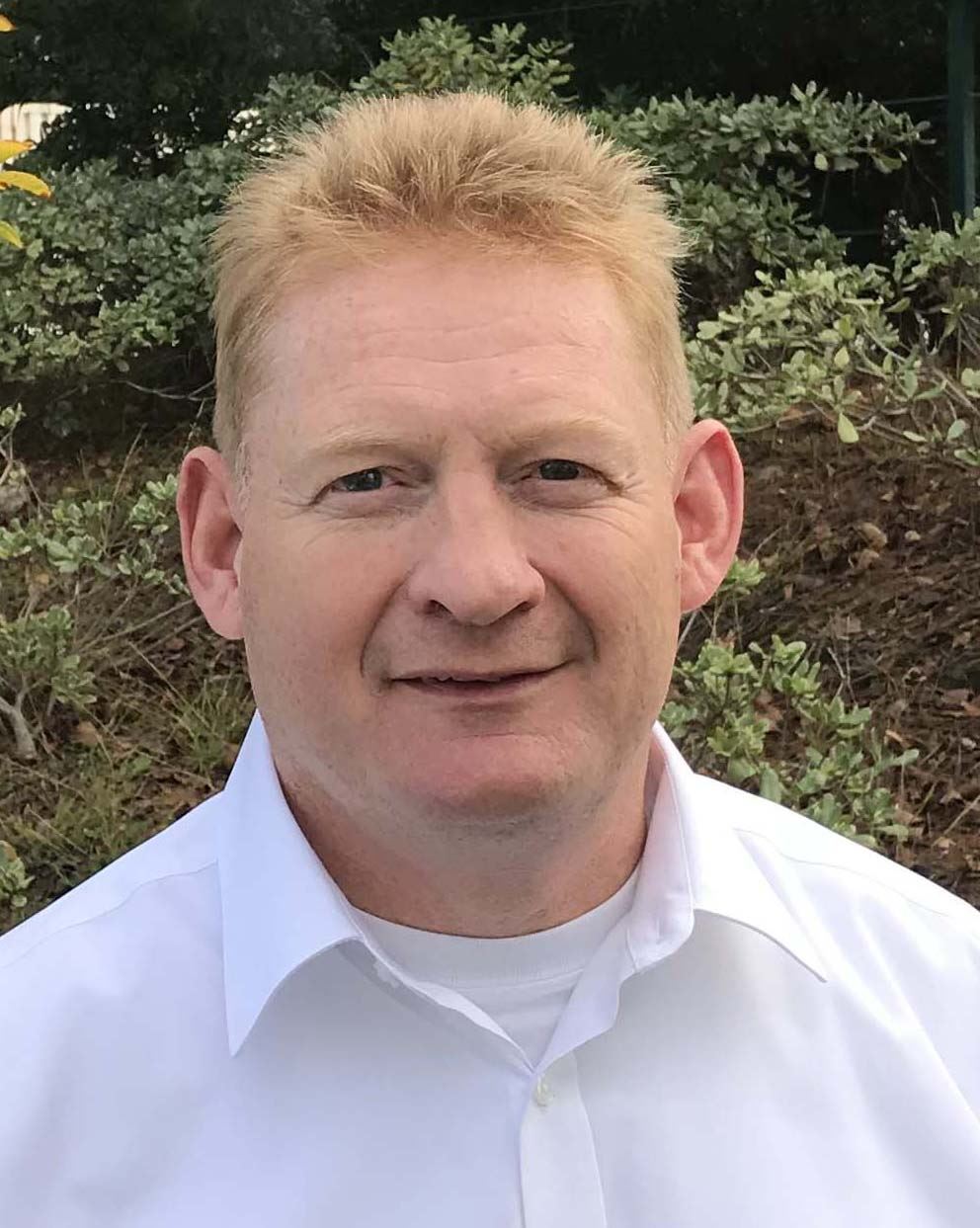 Remdesivir (GS-5734), a broad-spectrum antiviral agent
 The challenge of developing antivirals to treat eradicated disease


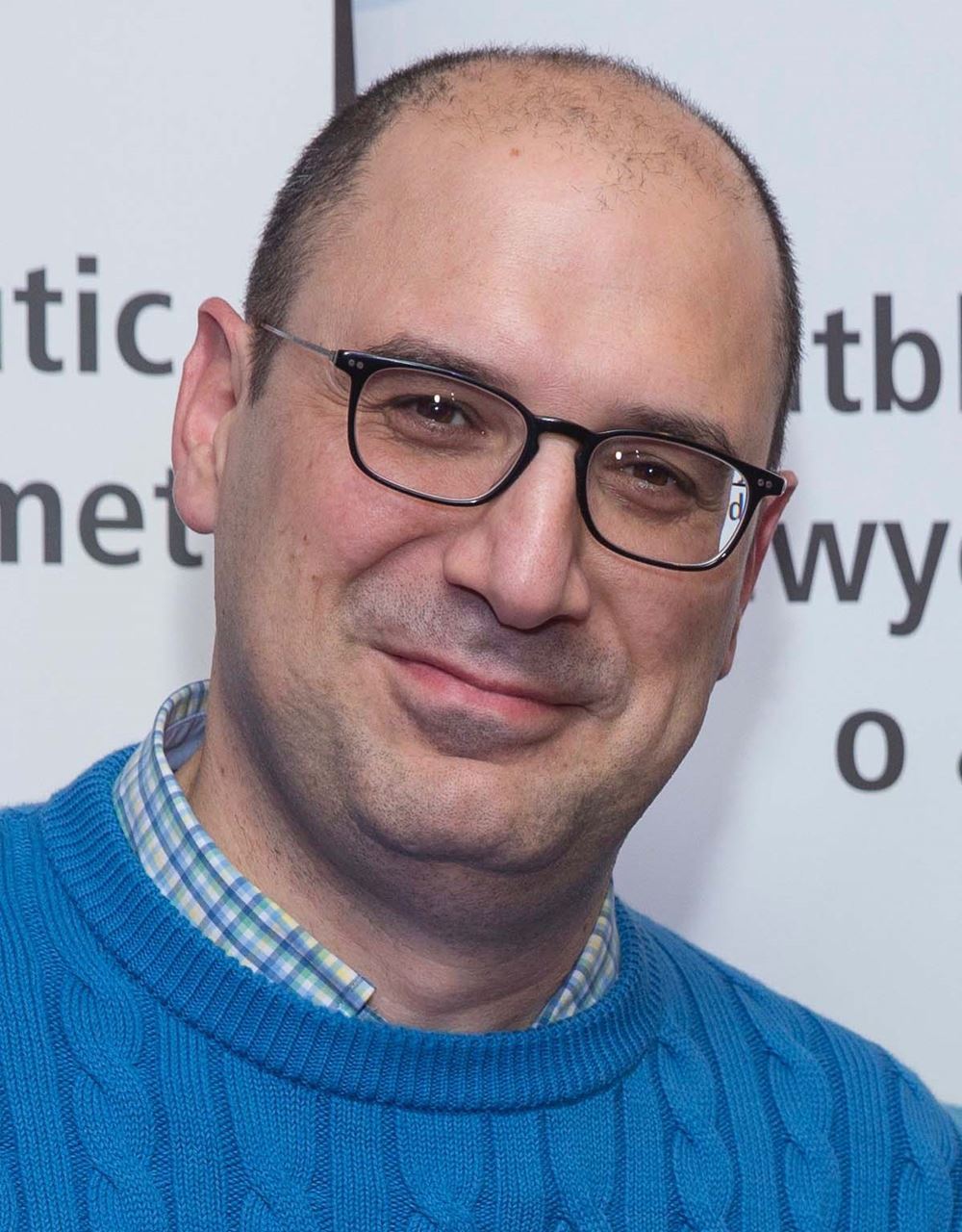


 Measles: a role for virus persistence?
 Development of medical countermeasures against Nipah virus: A field perspective
 Update on influenza polymerase inhibitors

 A universal influenza virus vaccine based on the conserved stalk of the hemagglutinin